Cap-to-Cap 2025 Highlights from Valley Vision Staff

Valley Vision has a long history of participating in the Sacramento Metro Chamber’s Capitol-to-Capitol program, which serves as our region’s premier federal advocacy opportunity each year. This program provides opportunities to meet with the Sacramento Region’s federal legislators and encourages participants to meet with federal agencies, many of whom oversee competitive funding programs.
This year’s 53rd annual “Cap-to-Cap” was the largest on record, with 450+ leaders participating. Valley Vision staff led and supported many of the topic-based teams and, in keeping with tradition, have documented their experiences below.
Evan Schmidt, CEO (Business Climate Team): “As always, it is great to see our region coming together for common purpose. There really is nothing like travelling with 400+ regional leaders to make new connections across people and issues that help us all get things done! While funding constraints and rapid change in agencies are presenting challenges for the region, it is also clear that our regional elected leaders in DC are committed to creating wins for our region whenever possible. Our ability to lean in together on key asks and aligned goals will be critically important – Valley Vision is committed to helping shape that cohesive vision through our work.”

Trish Kelly, Managing Director (Food & Agriculture Team): “The 2025 Cap-to-Cap program was a different experience for our Food and Agriculture team from previous years given the intensity of budget negotiations; recent and pending program funding terminations that are affecting our region; changes and gaps in agency staffing; and overall uncertainty. It was a timely visit for us to communicate our priorities to the Senate and House Agriculture Committees which are negotiating the passage of the Farm Bill and facing difficult decisions to reach targeted budget cuts, especially for SNAP food security programs that also provide important revenues for our farmers, grocers and food producers. It’s very special to join our dedicated partners as we elevate the assets of our food system and break bread together in shared purpose.”

Renee John, Managing Director (Business Climate Team): “Cap to Cap provides a unique opportunity to connect with decision makers on key issues facing our region. From meetings on Capitol Hill, to networking events, and the spontaneous “walk and talk” that happens as we are hustling between meetings and events, the shared experience of this program encourages deeper conversations that can really move the needle on regional economic prosperity.”

Adrian Rehn, Director (Air Quality Team): “It was a very interesting year in D.C. I’ve been participating in Cap-to-Cap since 2019 and have not experienced the “vibe” of scarcity that we saw in 2025. Offices told us that there was little money for our programs, or – as in the case of U.S. EPA – that they would not be enforcing basic functions that business, government, and community members rely on. That said, there were some opportunities that became apparent to our Air Quality Team members – energy resilience is still a priority, and there is bipartisan interest in biomass utilization solutions that protect our landscapes from wildfire, create rural jobs, and generate high-value products. We look forward to pursuing these threads through the year through the Cleaner Air Partnership and other avenues.”
Cleaner Air Partnership Ready to Respond to Shifts at Federal Level
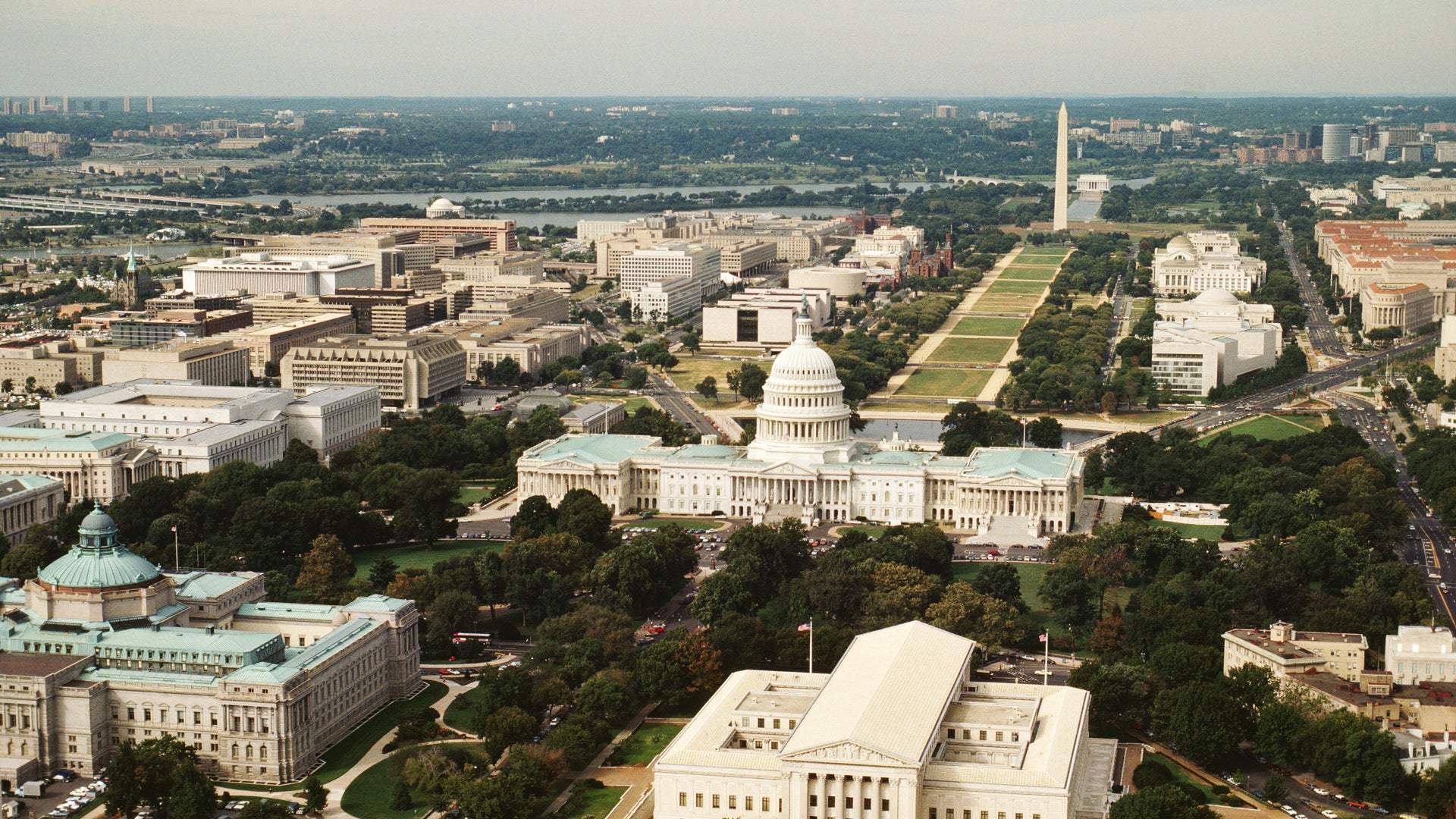
by Gretchen Bennitt, Yolo-Solano AQMD & Debbie Wells, CEMEX (Co-Chairs of the Cleaner Air Partnership)
The longstanding Cleaner Air Partnership (CAP), the premier public-private coalition focused on improving air quality in California’s Capital Region, is ready to adjust to the changes in Federal policy and funding dynamics brought on by the Trump Administration. This partnership is unlike any other in the state – where air quality regulators, industry, and the nonprofit sector work together on air quality issues of common concern, for the benefit of all. From the statehouse to the U.S. Capitol, we are consistently told that our innovative model for collaboration is something that people haven’t seen before – breaking barriers and enabling progress. This approach is needed now more than ever.
CAP has accomplished much over the years, from (1) reducing pollution impacts from the San Francisco Bay Area by catalyzing their adherence to Smog Check II, (2) establishing support for SMAQMD to create and implement Check Before You Burn policies that became the national standard for particulate control, (3) securing Capital Region representation on the CA Air Resources Board, and (4) successfully advocating for South Sacramento’s designation as an AB 617 Community Air Protection community for targeted air quality investments and incentives. In all of these cases, business, government, and the community came out ahead. Good air quality is good for business.
Reframing Our Priorities:
The new Federal Administration has clearly emphasized investment in business and industry. Considering CAP’s longtime focus on incentives for cleaner vehicles, equipment, and more to transition toward lower environmental impact, we see an opportunity to look for some common ground. One of our approaches for engagement with newly minted Federal leaders will focus on preserving consumer choice, and is expected to serve as a role model for other areas of the nation and state. One vital CAP role will be to help educate leaders about potential regional impacts and opportunities related to changing regulatory landscapes. At the same time – while priorities are changing, we know that we still have overburdened communities with a disproportionate amount of air pollution and related health impacts that need to be addressed.
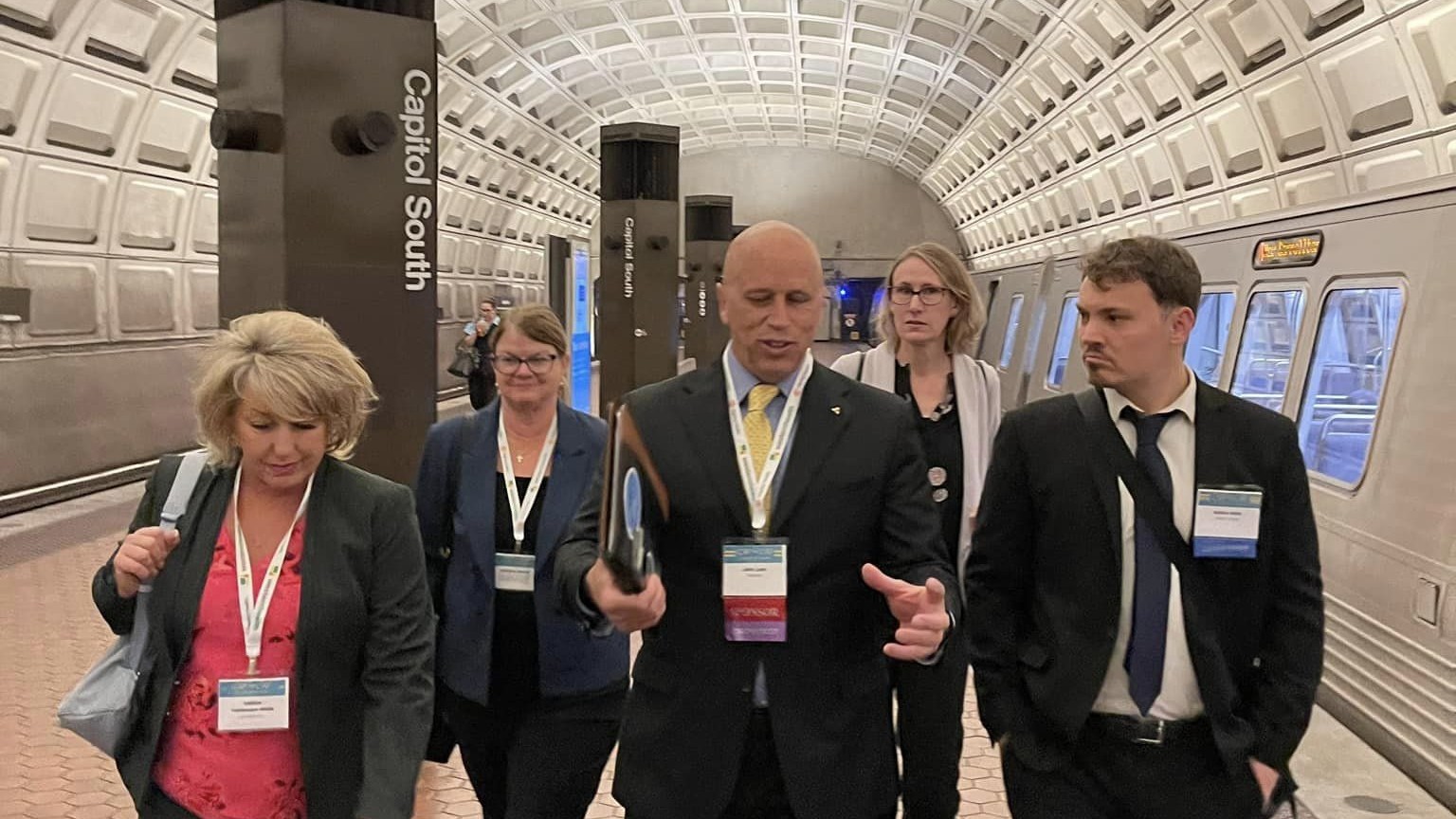
The Cleaner Air Partnership is currently gearing up to take part in the Sacramento Metropolitan Chamber of Commerce’s “Capitol-to-Capitol” program, which will bring 400 regional leaders to Washington, D.C. in May 2025 to advocate for our region’s Federal policy and funding priorities. Each year, CAP helps to lead two of the thirteen issue-focused teams – ‘Air Quality’ and ‘Wildfire & Forest Management.’ New leadership means a new way of talking about our priorities – something we’re taking very seriously as we build out a gameplan for this year’s program. For example, adequate staffing levels at Federal agencies help government be responsive to business needs. Investing in American-made battery storage and grid resilience supports energy independence. And biomass-to-energy solutions prevent wildfires and support rural jobs. This reframing will be critical to relationship-building in D.C. and getting things done for our communities.
Attaining Air Quality Goals:
Since 1986, this collaborative of air quality regulators, industry, public health organizations, and nonprofits have successfully weathered seven Presidents, multiple economic downturns, and big changes to technology while continuously advocating for cleaner air. In fact – we are pleased to share the news that the Sacramento Federal Nonattainment Area is expecting to demonstrate attainment of the 2008 National Ambient Air Quality Standard for Ozone in 2024! We will also continue working with U.S. EPA, CARB, air districts, and our regulated community towards attaining the 2015 Federal Ozone Standard. Local air quality regulators work hard to meet and maintain Federal air quality health standards by adopting and enforcing air quality programs, maintaining air monitoring networks, and administering federal, state and local air quality grant programs. Attainment of the 2008 ozone standard is a huge milestone that has been decades in the making, and speaks to the progress that we can make when diverse partners come together around a common mission.
The Cleaner Air Partnership looks forward to continuing our important work – to make progress on public health and economic growth through improvements in air quality now and into the future.
The Cleaner Air Partnership a unique public-private partnership across business, transportation, the environment, health, and local government that promotes cleaner air in the Sacramento region. Originally founded in 1986 by Breathe California of Sacramento-Emigrant Trails and the Sacramento Metropolitan Chamber of Commerce, and later joined by Valley Vision, the Cleaner Air Partnership’s purpose is to protect our health and promote economic growth by supporting green industry, smart land use, and leading-edge research while lowering emissions. The Partnership is led by two co-equal co-leads from the public and private sectors, respectively.
The Yolo-Solano Air Quality Management District’s mission is to protect human health and property from the harmful effects of air pollution. As a public health agency, the District is responsible for safeguarding air quality and overseeing air pollution control in Yolo and northeastern Solano counties. For more information, visit www.ysaqmd.org.
Cemex is a global building materials company committed to providing innovative and sustainable solutions for the construction industry. Cemex has set an ambitious goal to become a net-zero CO2 company by 2050, striving to make sustainability a part of its everyday decision-making processes. For more information, visit www.cemex.com.