2026 We Prosper Together Catalyst Summit Post-Event Materials
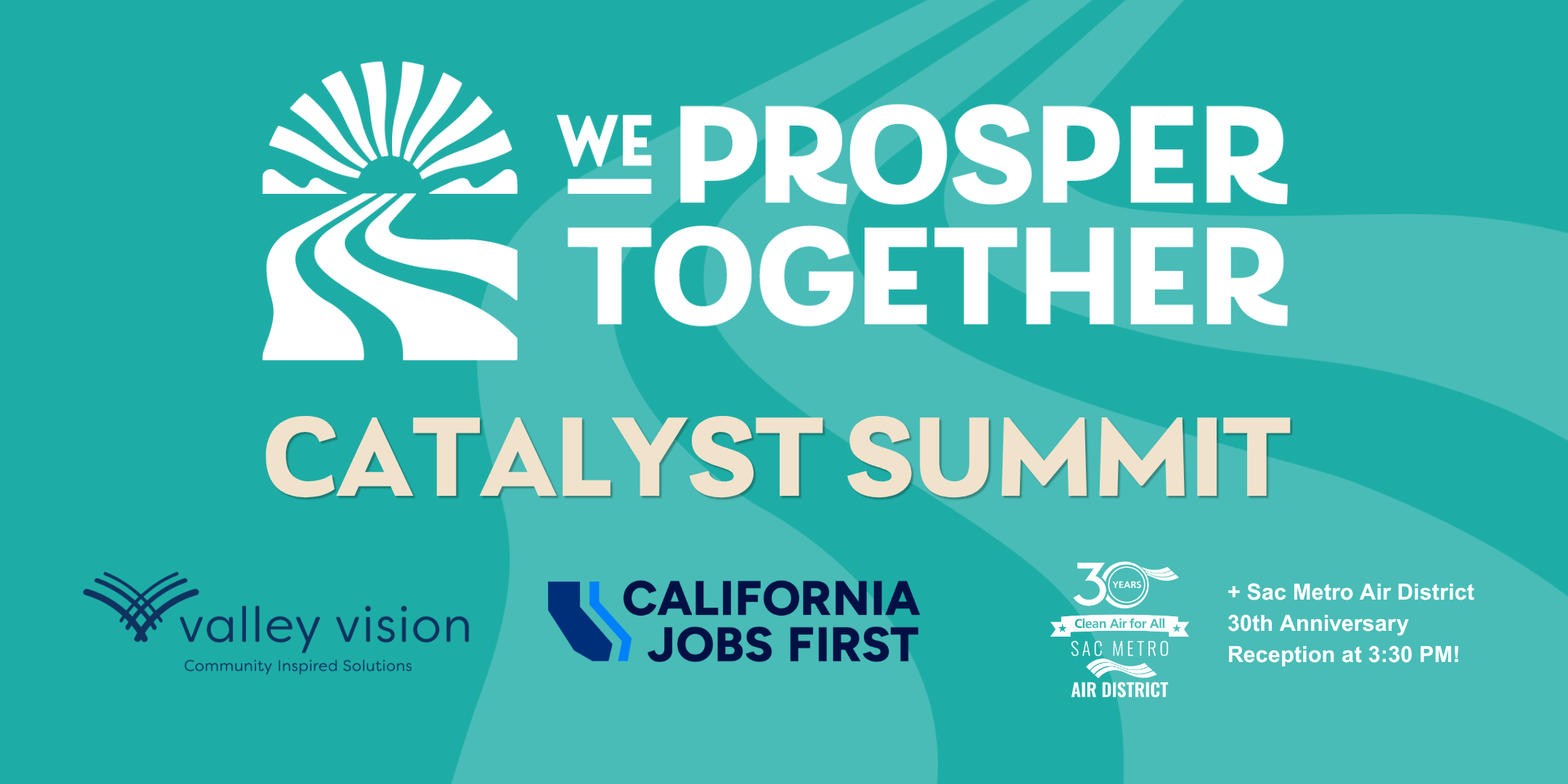
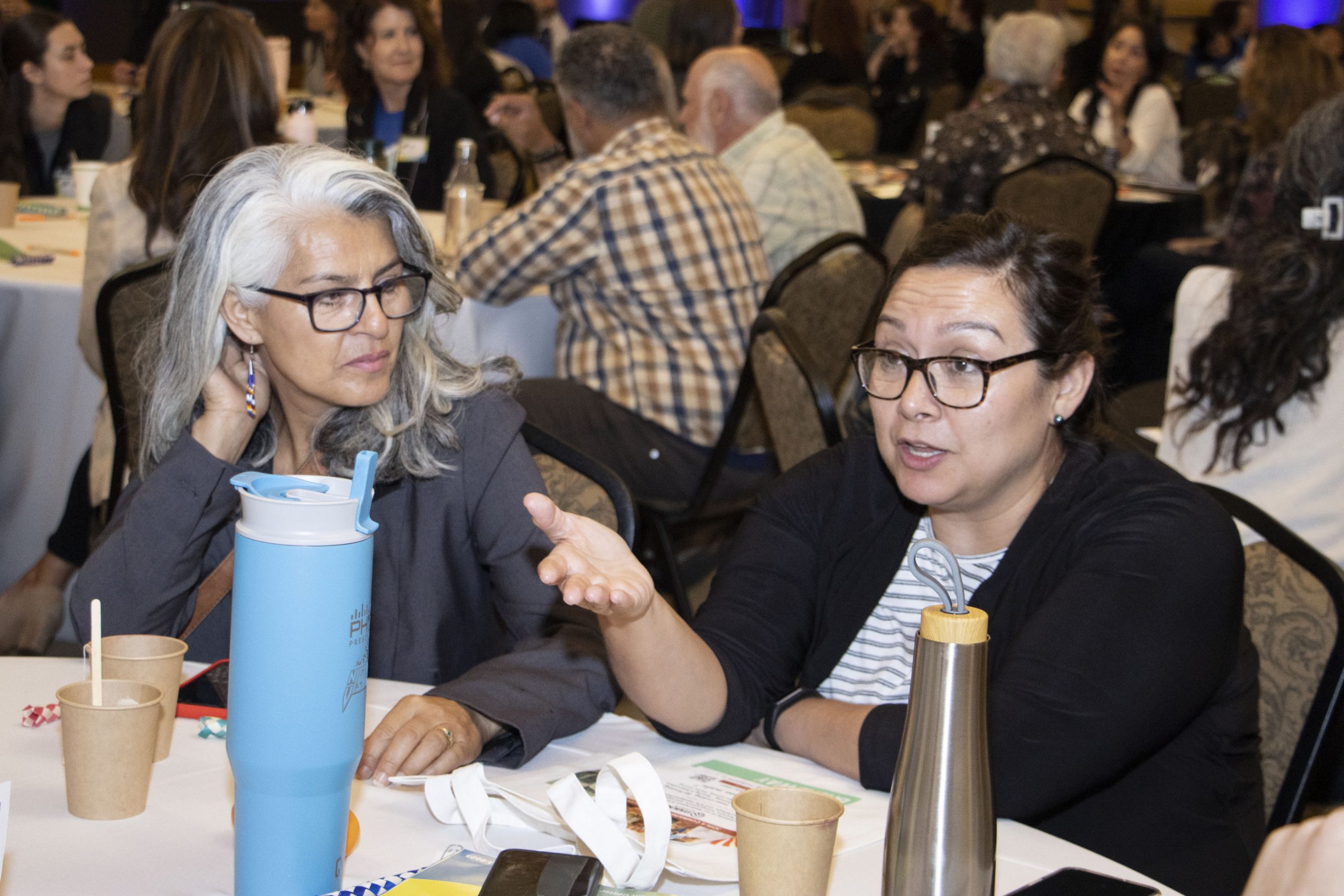
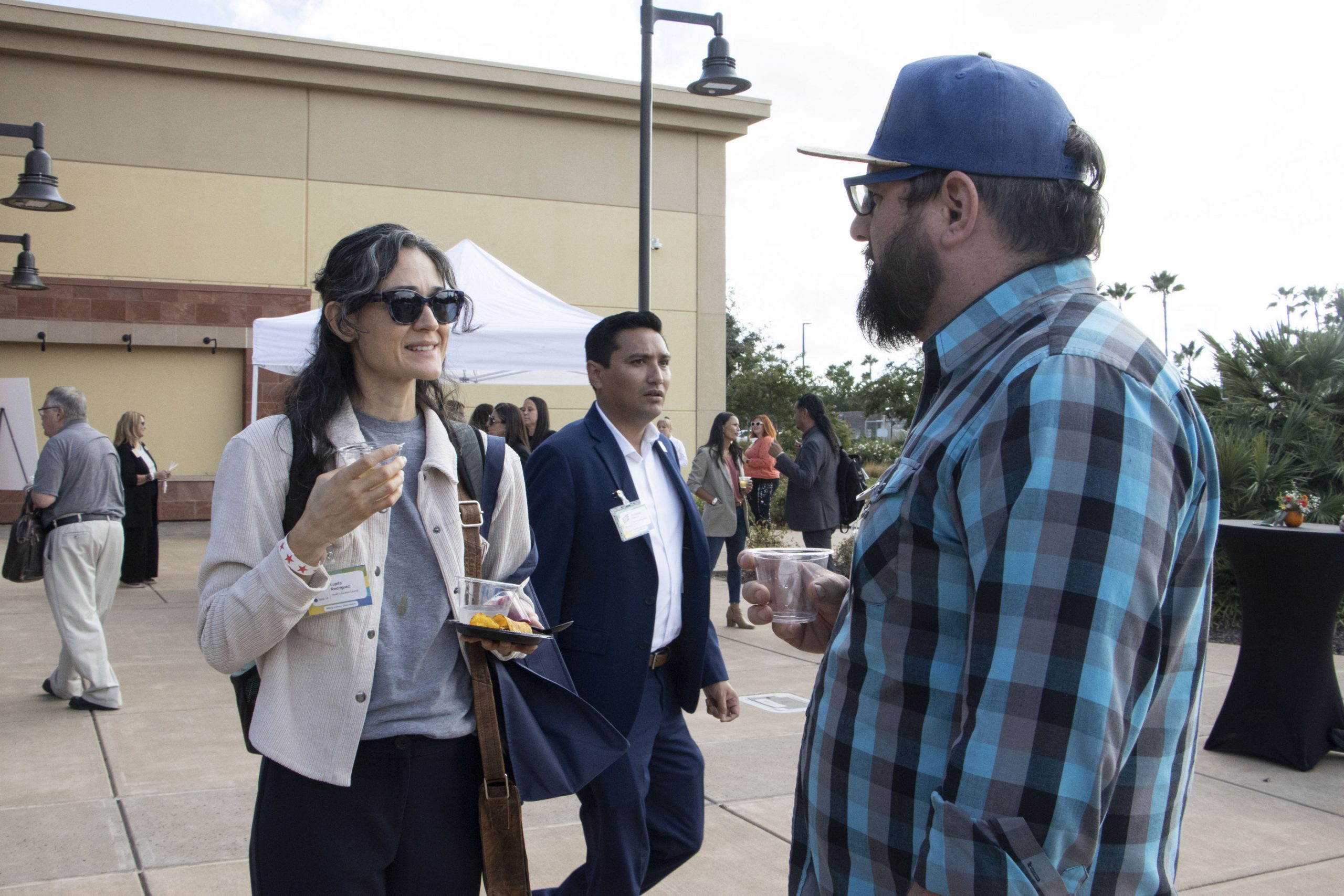
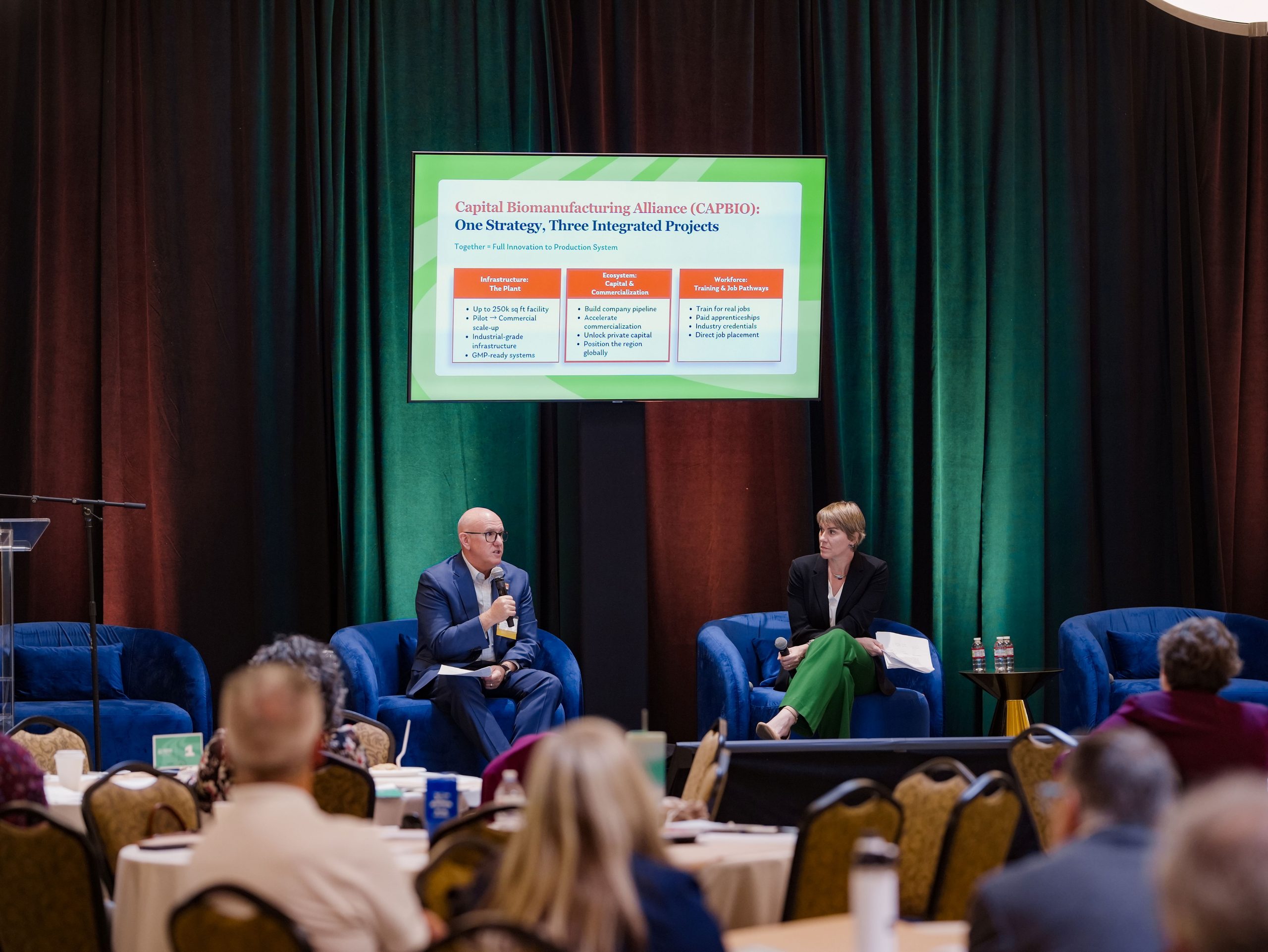
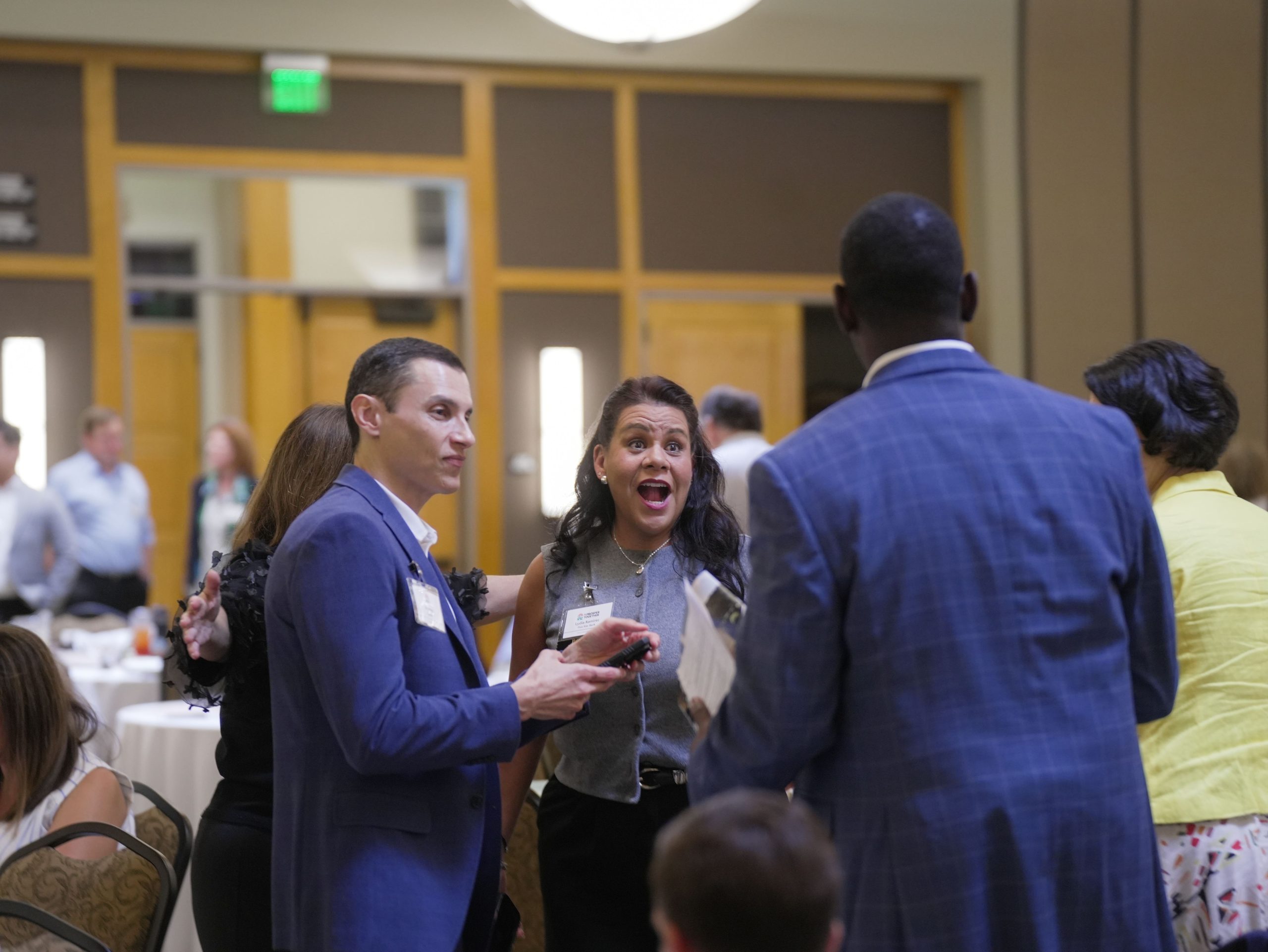
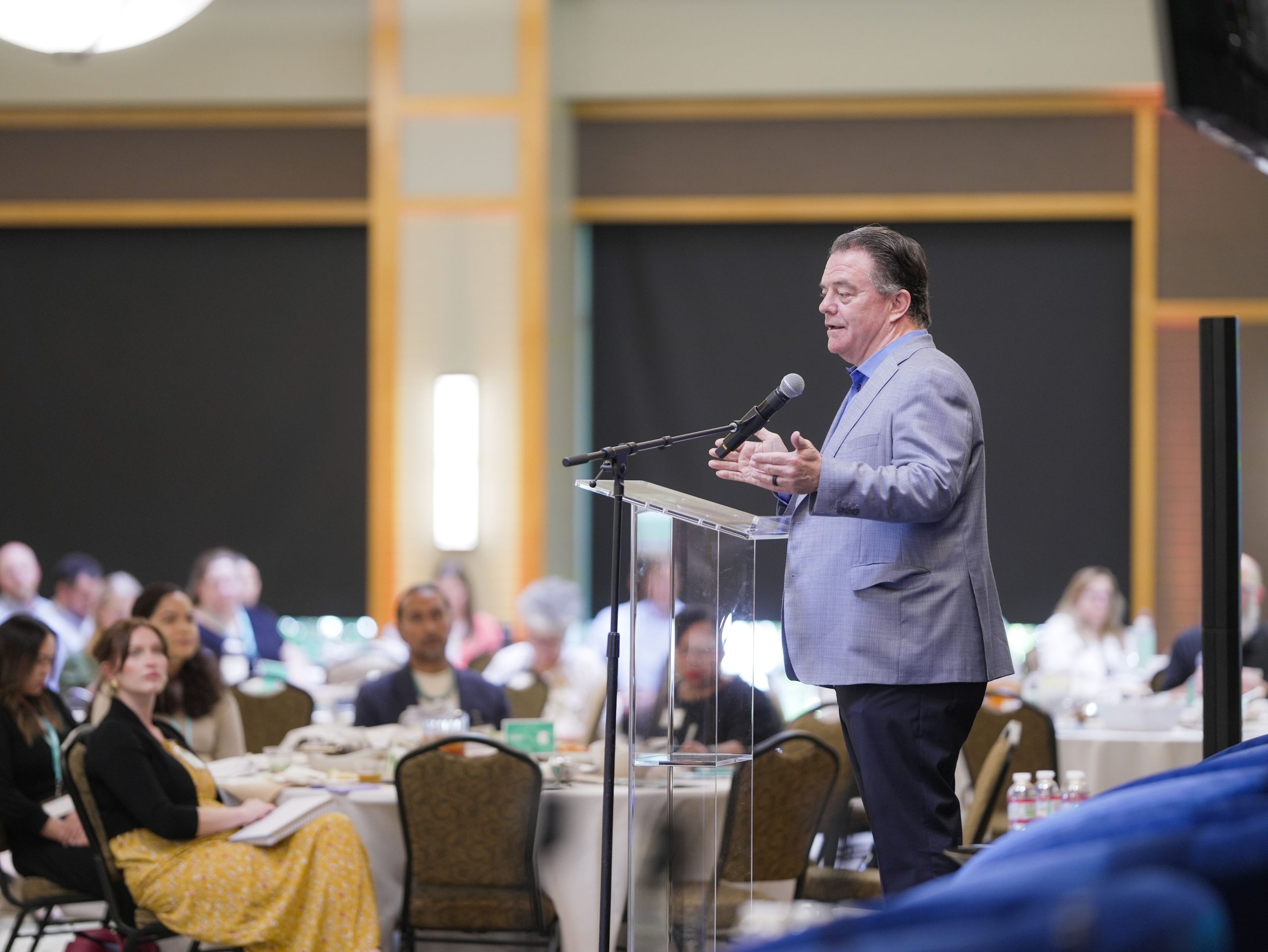
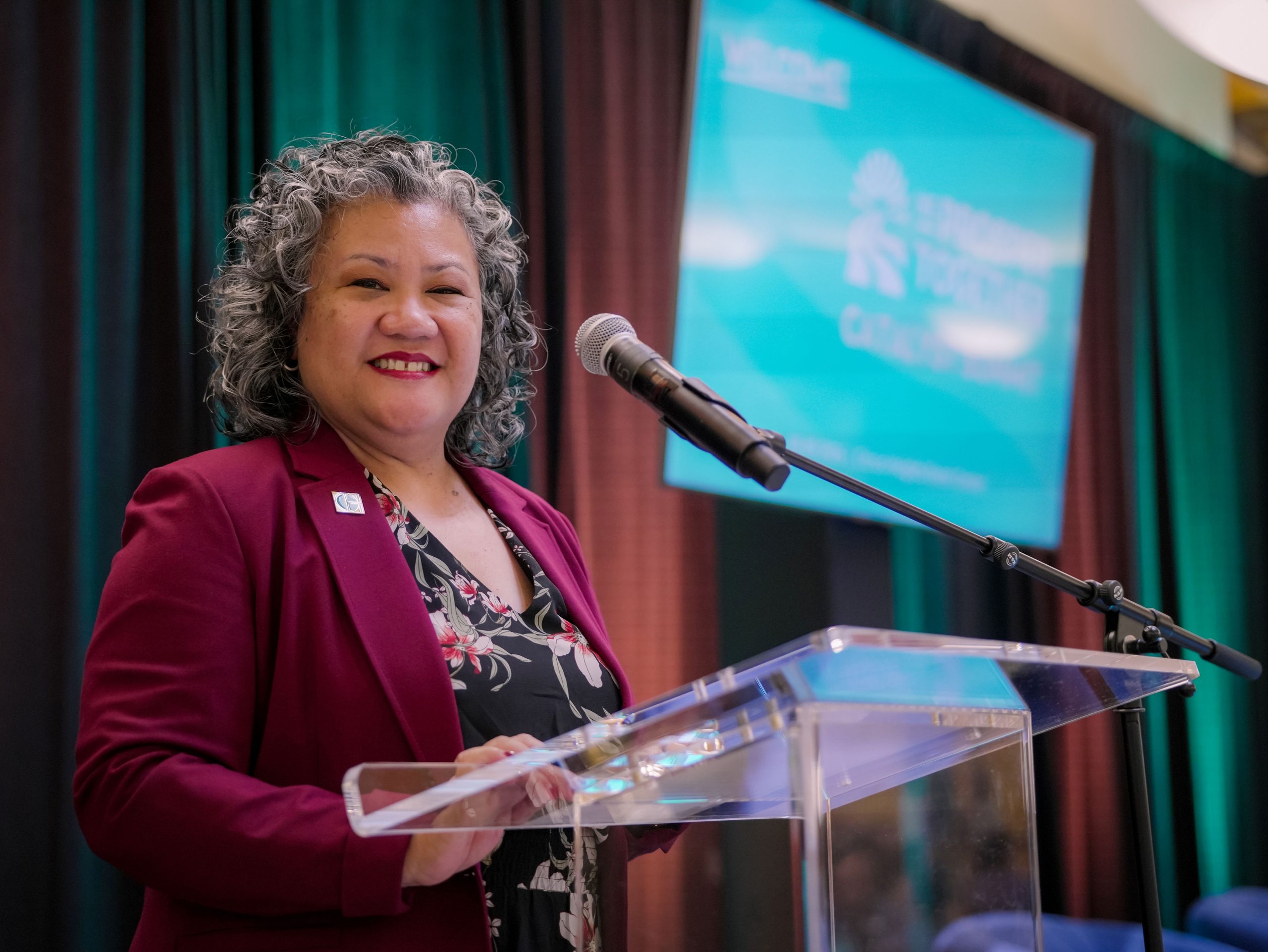
Valley Vision was thrilled to host the We Prosper Together Catalyst Summit on September 9th, 2026 at the Citrus Heights Event Center, presented by Sutter Health. The event brought out 300 leaders from community, business, and government to collaborate on big economic and workforce development goals that will continue to grow good-paying jobs and attract investment across California’s Capital Region.
The event celebrated the impact of the successful We Prosper Together initiative across the eight-county Capital Region; which to date has funded 22 innovative workforce and economic development projects, created more than 250 jobs, and engaged nearly 23,000 community members from both urban and rural communities. The summit also highlighted the growth of exciting emerging industries and career pathways in biomanufacturing and semiconductors, which align with our region’s priority precision manufacturing and life sciences industry sectors. See below for meeting resources, slides, photos, and more.
Links to Key Event Resources:
Presentation Slides: 2026 We Prosper Together Catalyst Summit
“Impact Story” Videos by KJ2 Productions
Valley Vision worked with KJ2 Productions to produce videos highlighting all 22 projects funded by the We Prosper Together Catalyst program. Several were shown at the Summit, but all are available on Valley Vision’s YouTube channel.
- Cal EPIC – EPIC on the Road
- Camptonville Community Partnership – Forest Biomass Business Center
- Center for Land-Based Learning – AgHiRE Expansion Planning Initiative
- City of Colusa – Colusa Certified Meat Processing Facility
- El Dorado Our EGG – Working Lands Economic Master Plan
- Future Fire Academy
- Green Tech Education & Employment – Project IGNITE
- Los Rios CCD – Building a Healthcare Talent Pipeline
- Nevada JUHSD – District Ranch Agritourism and Workforce Pilot
- Nevada-Sierra Connecting Point – Bio-Mass Recycle to Energy
- New Season CDC – Last-Mile Development of the Yolo Food Hub
- Roseville & Rancho Cordova Chambers – Digital Tools Initiative
- SETA & Capitol Impact – Capital Region Biotech Talent Partnership
- Sierra Commons – Cultivating Resilient Rural Food Ecosystems
- SMUD – Skilled Trades Workforce Pipeline Project
- Tahoe Prosperity Center – Tahoe Business Catalyst Pilot
- UC Agriculture and Natural Resources – The Plant
- UC Davis – Bioinnovation Lab
- Yolo County Children’s Alliance – Community Health Workforce Pilot
- Yuba City Playzeum
- Yuba College – Working Lands Workforce Development Pipeline
- Yuba Sutter Food Bank – Yuba Sutter Food Hub Feasibility Study
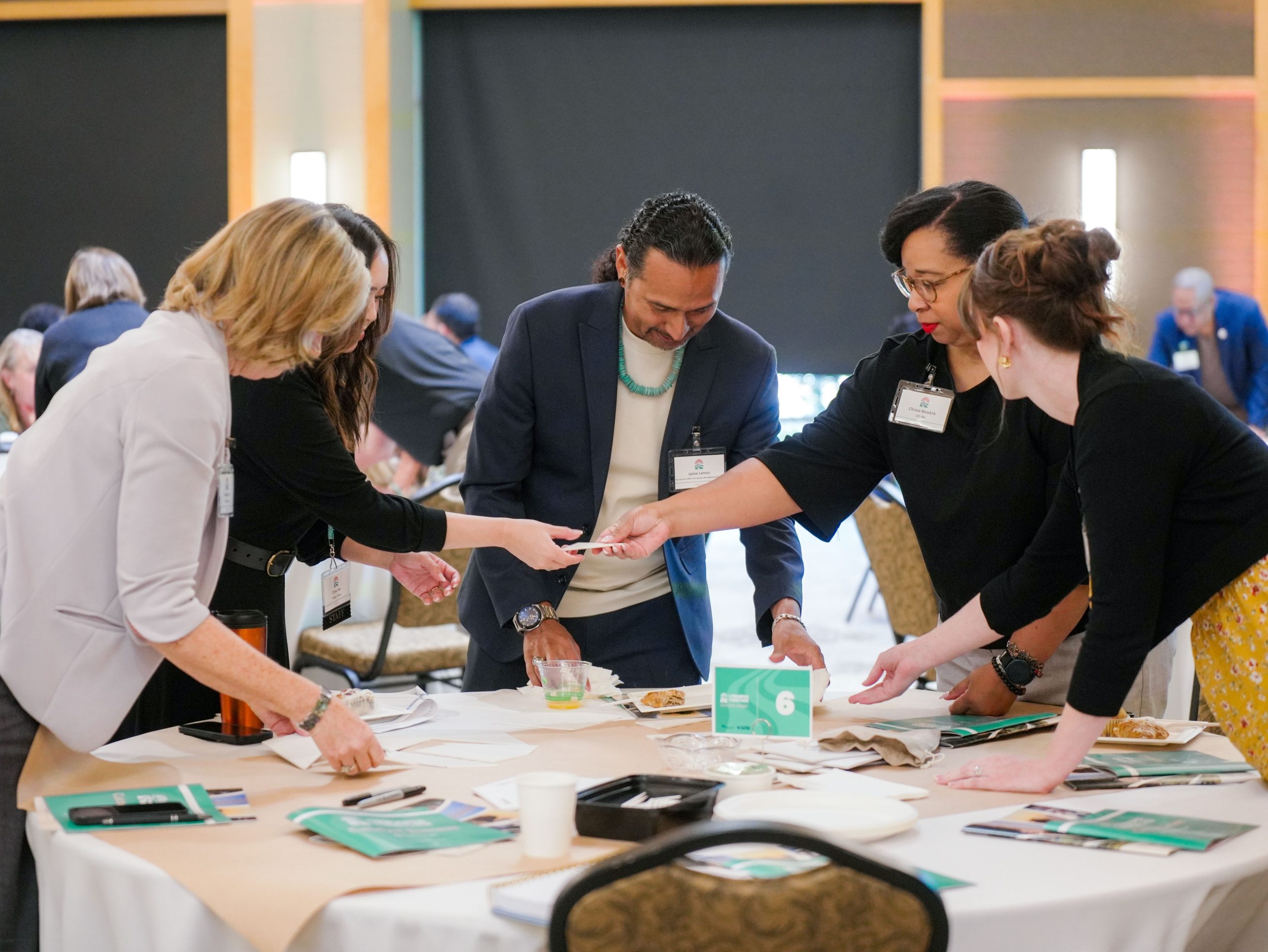
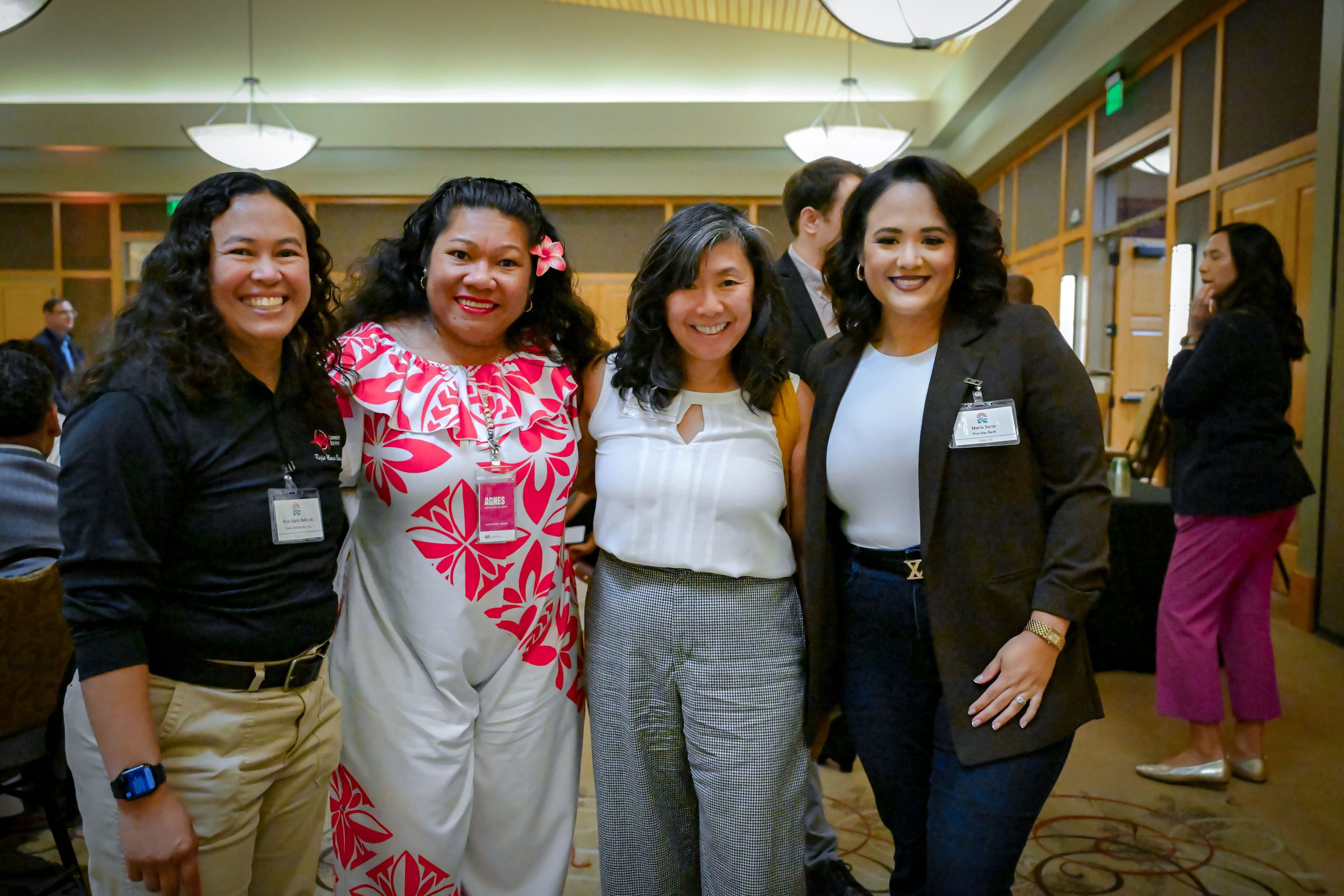
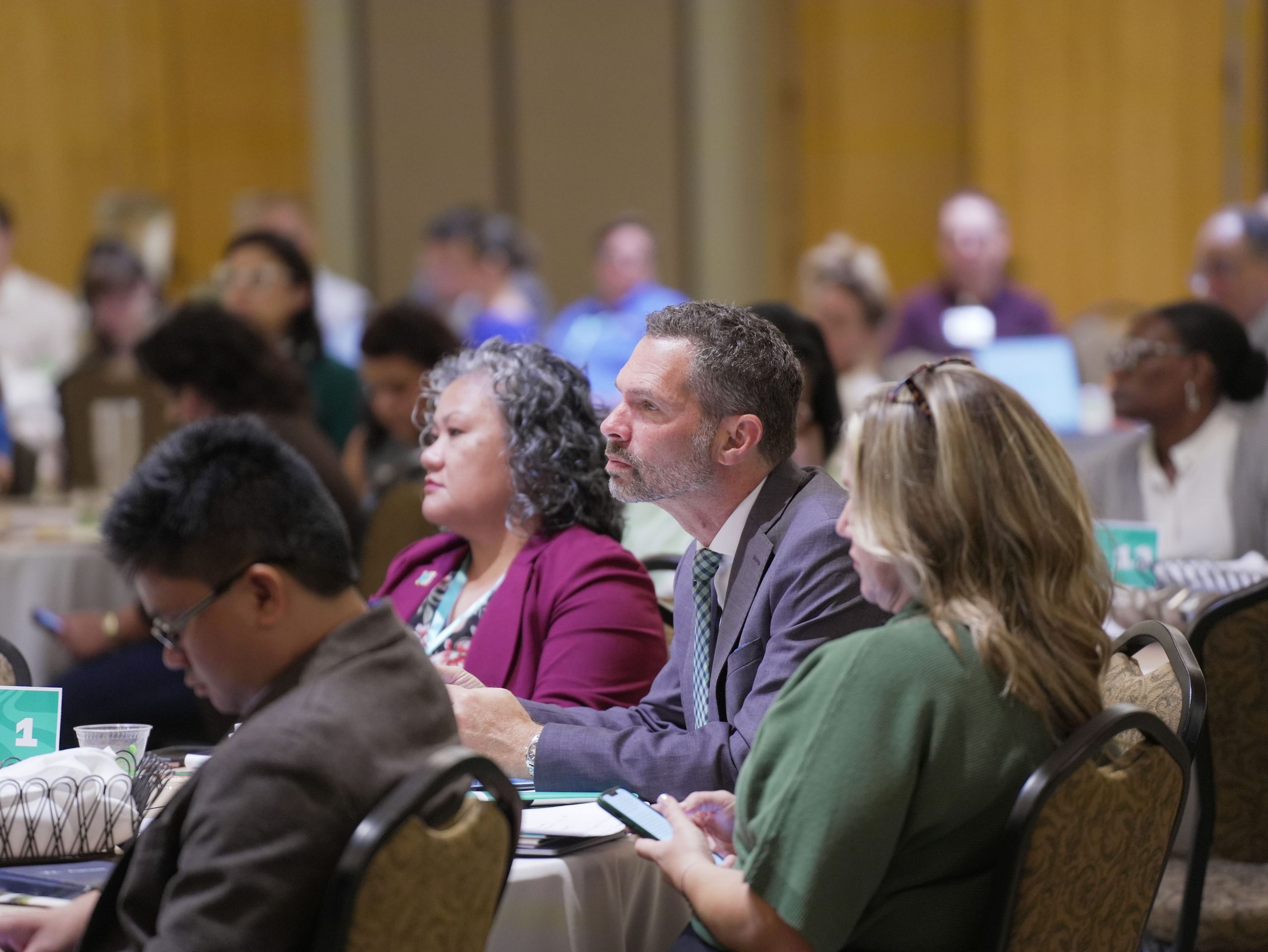
Photos by Storyline Media Group (link to all photos):

Drive Forward Community Workshop: Shape California’s Clean Vehicle Future (May 20, 2026)

On Wednesday May 20, 2026 at the Florin Creek Recreation Center, Valley Vision and the California Air Resources Board co-hosted an in-person public workshop to hear from the community about their perspectives on clean vehicle regulations, programs and incentives.
Input from community members and other stakeholders is especially important because it will help inform future proposals made by CARB staff on how stringent or how strict clean vehicle and greenhouse gas regulations should be for auto and car manufacturers. This will help the State and communities across California continue to meet clean air and climate goals. Additionally, attendees at the workshop heard from CARB staff about potential regulations and information related to clean vehicle regulations, programs and incentives.
See below for event materials and resources:
Other CARB Resources & Flyers:
- Clean Transportation Incentives Community Meetings (held third Tuesday of every month, evenings)
Many thanks to CARB for funding this workshop and others across the State to meaningfully engage with local government, community members, community organizations and businesses on this new initiative! Additionally, thank you to Southgate Recreation & Park District for hosting us at their Florin Creek Recreation Center location!
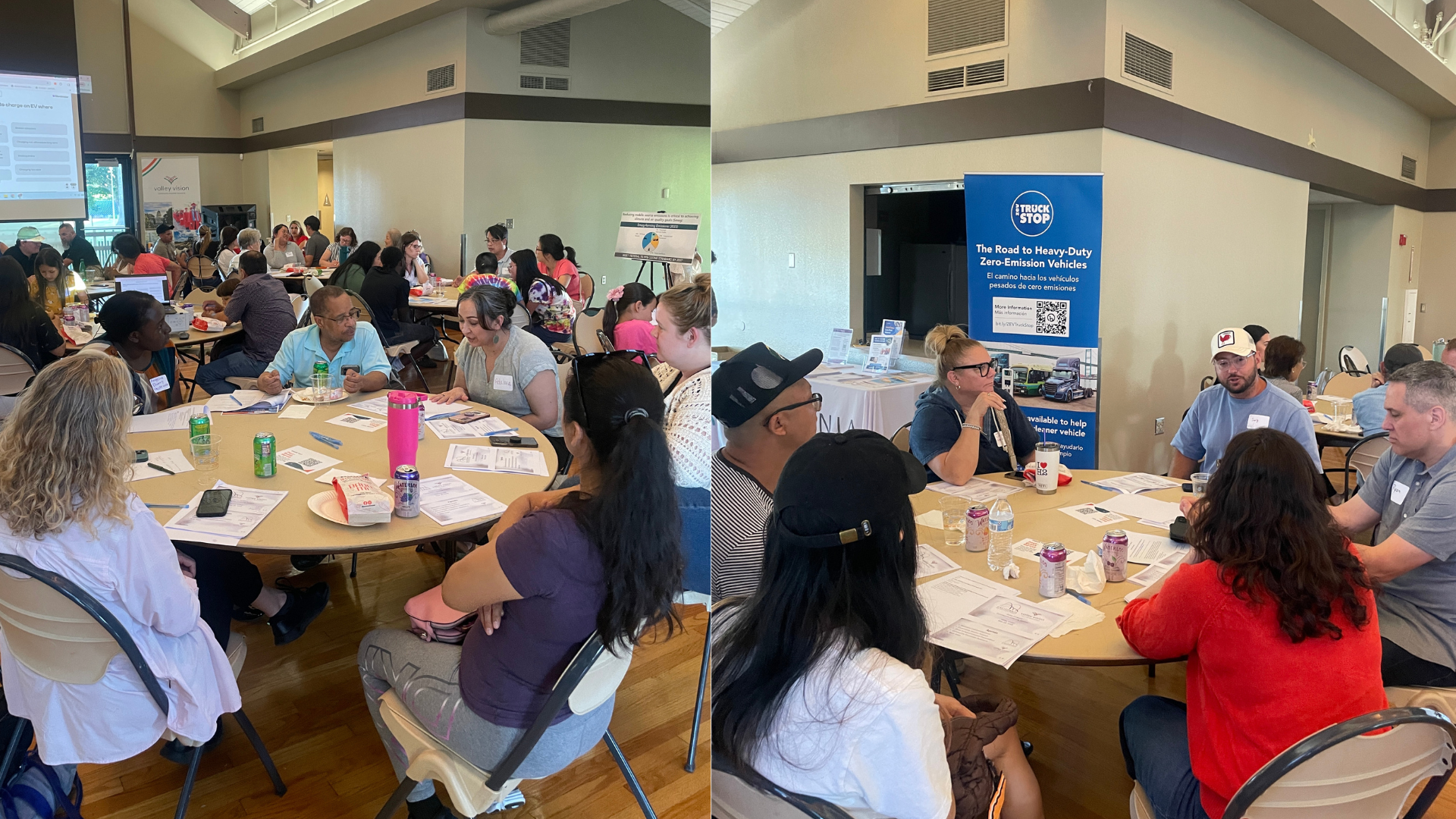
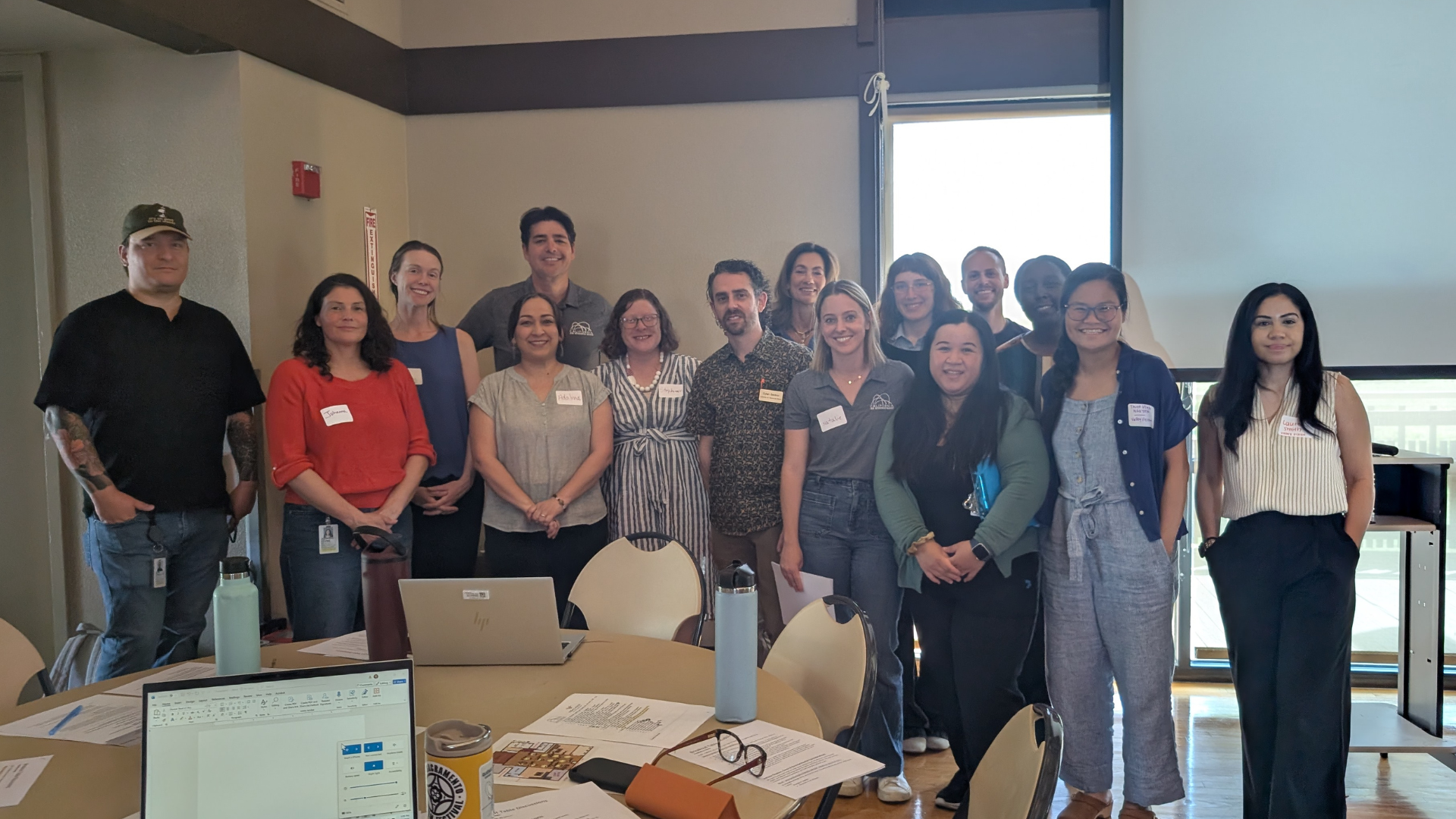
This effort is part of a new initiative to map out the next phase of light, medium, and heavy-duty vehicle programs called Drive Forward. Learn More About and Stay up-to-date with the Drive Forward Initiative at https://ww2.arb.ca.gov/drive-forward.
If you have any questions, please reach out to Kathy Saechou at kathy.saechou@valleyvision.org.
Kathy Saechou is a Project Manager working in the Clean Air and Climate Impact Area at Valley Vision. Kathy also staffs the Cleaner Air Partnership, a public-private coalition of air quality regulators, industry representatives, and environmental and health non-profits who are all working together to improve air quality, protect public health and promote sustainable economic development across the 6-County Sacramento Region.
Administrative Healthcare Careers Advisory Event Materials, Recording, and Report
Strong Workforce Program
CRCDI Convenings | March 2026
The Capital Region Coalition for Digital Inclusion (CRCDI) hosted a two virtual convenings on March 10th “Digital Navigator Programs” and March 17th “Exploring Partnership Strategies and Project Opportunities.” The convenings provided an opportunity to learn from and connect with organizations engaged in digital inclusion, receive updates on local programs and opportunities, and share input on how CRCDI can provide support and network building within our region.
The Convenings were supported through funding from AT&T.
The March 10th convening, “Digital Navigator Programs” featured a presentation from the California Emerging Technology Fund (CETF) on its led efforts to address digital equity, including the CETF Call Center and digital navigator project “AB 617 Communities Empowerment Initiative” supported by CPUC CASF Adoption Grant award.
The March 17th convening, “Exploring Partnership Strategies and Project Opportunities” featured a panel discussion with the City of Sacramento IT, Color the Block, Sacramento Public Library, and CETF on strategies and partnerships in action to address the digital divide.
Spring 2026 Public Sector & Public Safety Advisory: Legal Services Careers Event Materials
ICT Regional Industry Advisory: The Changing Landscape of Work: Keeping up with Emerging Technologies Webinar
Construction, Trades, and Utilities Advisory Event Materials and Recording
Strong Workforce Program
CAP Luncheon: Our Air, Our Health – January 30, 2026

At Cleaner Air Partnership’s quarterly luncheon on Friday, January 30th, 2026 at the Jose P. Rizal Community Center in South Sacramento, attendees heard from Sac Metro Air District about the Community Air Protection Program’s South Sacramento-Florin Community and ongoing work to address local and regional air pollution concerns and protect public health through a community-led process. Additionally, attendees learned about a new Community Emissions Reduction Plan (CERP), strategies in the plan, and how the community including businesses and local government can partner on future projects.
Draft CERP Strategies are available for public comment through Sunday February 15th, 2026! You can review Draft CERP Strategies here, and submit comments via email to AB617clerk@airquality.org. *CERP strategies are also available in Spanish, Vietnamese, Hmong and Farsi and can be found here.
Huge thank you to our partners at Sac Metro Air District for your dedication and commitment to cleaning the air for healthier communities in the greater Sacramento region! Included below is the presentation from the CAP luncheon:
Special thanks to the South Sacramento-Florin Community Steering Committee Co-Leads for sharing your perspectives and insights throughout the AB 617 Community Air Protection process! Also, thank you to Community Steering Committee members for joining us. Your work and commitment to South Sacramento will go far in advancing environmental justice in our most vulnerable communities!

CAP events are opportunities to learn about important air quality topics affecting the 6-county Sacramento region. Thank you to the generous contributors to the Cleaner Air Partnership: Sac Metro Air District, Teichert, SMUD, CEMEX, Sutter Health, Sacramento Association of REALTORS®, Placer County Air Pollution Control District, Yolo-Solano Air Quality Management District, PG&E, and the El Dorado County Air Quality Management District.
Broadband & Digital Equity Webinar | Year-End Review and Strategies for Closing the Gaps in 2026 (December 2025)
Valley Vision, as manager of the Capital Region Coalition for Digital Inclusion (CRCDI) and Capital Area Broadband Consortium (CCABC), welcomed Broadband and Digital Equity stakeholders and organizations to the “Year-End Review and Strategies for Closing the Gaps in 2026” Webinar on Friday, December 5th, 2025 from 10AM-12PM.
Valley Vision presented updates on CCABC and CRCDI projects and opportunities in the region, including the launch of the new CRCDI website, resources such as Valley Vision’s Broadband for Business Report, and project spotlights such as the CETF California Green Technology Initiative and AB617 Communities Empowerment Initiative, which includes the Get Connected! Call Center, a resource to support low-cost internet enrollment for residents of South Sacramento’s AB617 Communities.
Scott Adams, Deputy Director of Broadband and Digital Literacy at the California Department of Technology (CDT) presented updates on the State’s Broadband for All Initiative. Upcoming opportunities for engagement with CDT include:
- CDT Digital Equity Stakeholder meeting on December 17th (register HERE).
- Digital Equity Resource Survey to provide new and update resources for Digital Equity Resource Finder (complete the survey HERE by January 12th).
California Public Utilities Commission (CPUC) Commissioner Darcie Houck shared year-end updates across several projects, including the Federal Funding Account, Last-Mile Network progress, BEAD, CASF program changes, and more.
Hawksbill Group facilitated the closing panel “Collaborating to Close the Gaps: A Discussion with Service Providers,” with insights from representative of Comcast, Race Communication, and AT&T on opportunities for engagement and collaboration to support local broadband deployment.
2025 Biomass & Beyond: Growing a Resilient Regional Bioeconomy
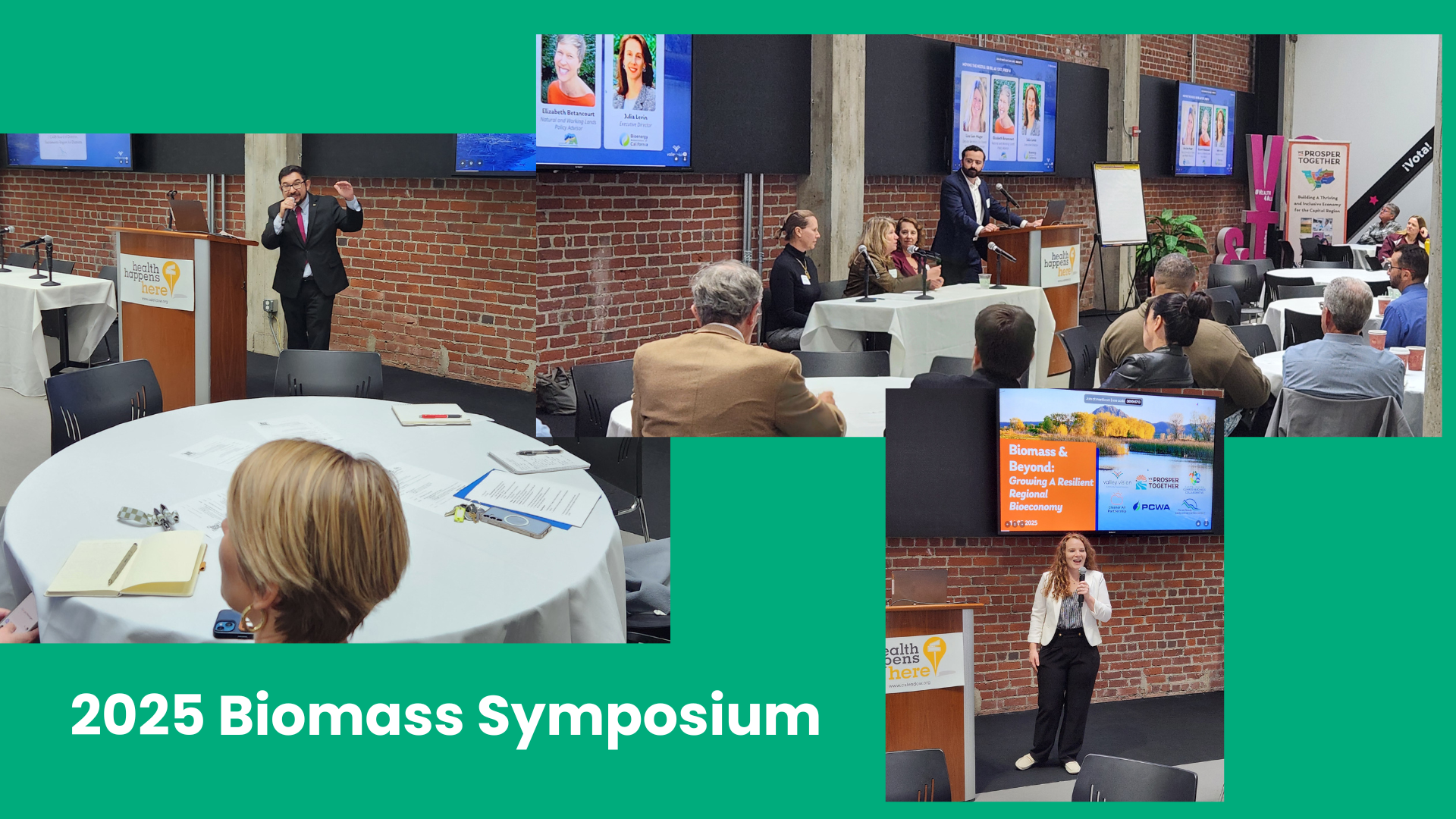
On November 5th, Valley Vision hosted a Biomass Symposium to help create a resilient regional bioeconomy. At this second interactive workshop, attendees learned about biomass utilization in the region, challenges with upscaling biomass solutions, and opportunities for local and regional collaboration. Additionally, attendees heard from state and local experts, learned about regional projects, and were informed about policies and programs that can advance biomass solutions for our forests and agricultural lands.
Thank you to all contributors who helped make this event a success!
This event is in partnership with Placer County Water Agency, Placer County Air Pollution Control District, the Cleaner Air Partnership, the Capital Region Climate Readiness Collaborative, and We Prosper Together.
Huge thank you to our guest speakers and subject-matter experts who joined us at the event, shared valuable insights, and helped moved the needle on biomass solutions for our forests, agricultural lands and communities:
- Kate Gordon – Chief Executive Officer, California Forward
- Eric Guerra – Board of Director for Sacramento Region Air Districts, California Air Resources Board
- Dr. Cindy Chen – Woody Biomass & Forest Products Advisor, UC Ag & Natural Resources
- Eric Martin – Director of Public Works, NorthStar Community Services District
- João Mario Soares – Chief Executive Officer, Engeman Energy
- Matt Summers – Chief Operating Officer, West Biofuels
- Elizabeth Betancourt – Natural and Working Lands Policy Advisor, California Department of Conservation
- Julia Levin – Executive Director, Bioenergy Association of California
- Lisa Lien-Mager – Deputy Secretary for Forest and Wildfire Resilience: Wildfire Task Force, California Natural Resources Agency
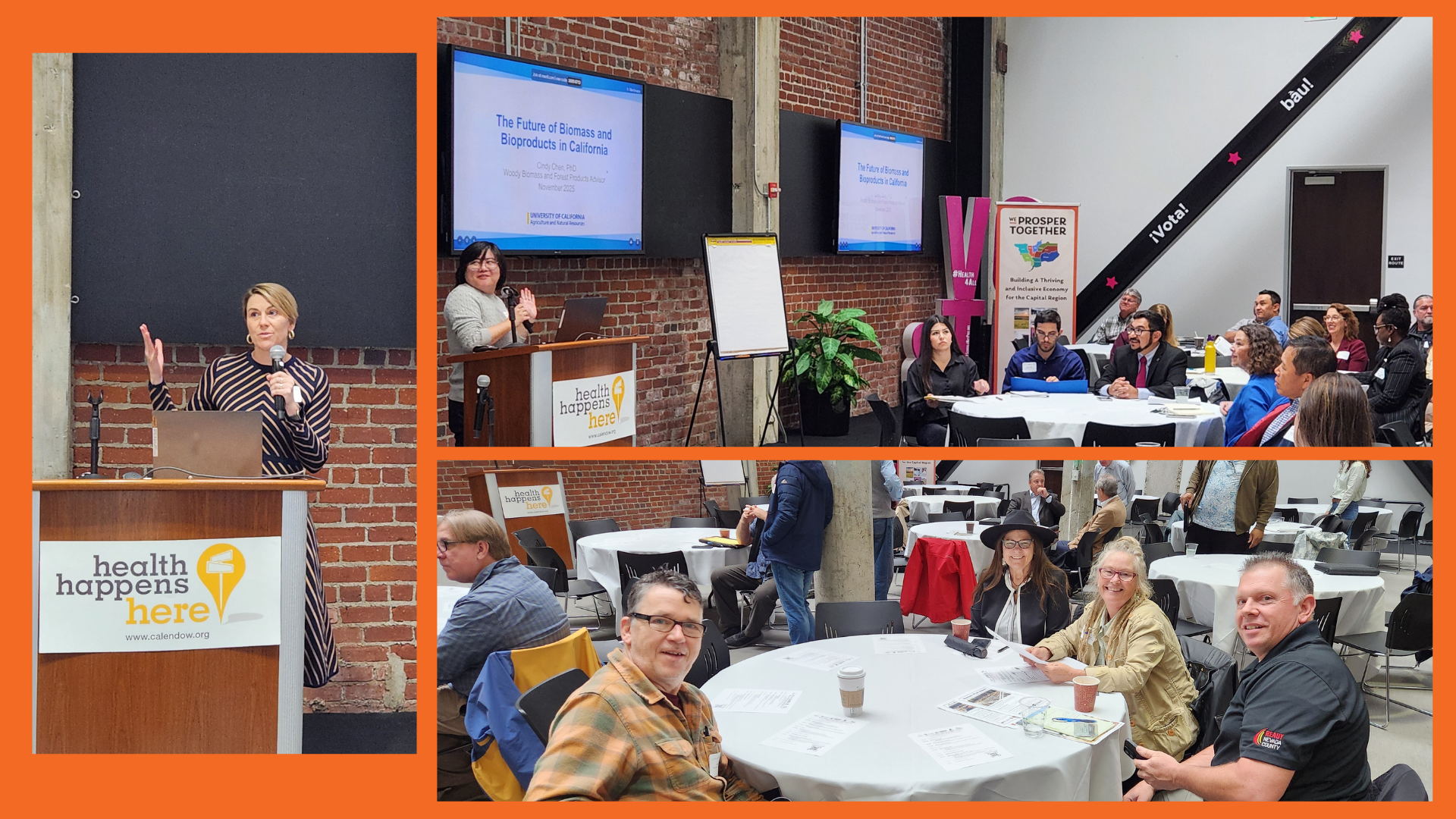

Included is the full presentation from the symposium:
Why should California and the Capital Region invest in Biomass Utilization?
In 2023, biomass diverted over 7 million tons of waste from landfills, and provided approximately 5% of California’s in-state energy supply. With an estimated 47 million bone- dry tons of biomass resource potential statewide, California is poised to lead in bio-based innovation through forest restoration, waste diversion, and bioindustrial development.
Biomass utilization has untapped potential to help reduce catastrophic wildfire risk, manage agricultural and forest waste for rural and urban economic growth, and protect and improve public health and natural resources in all of our communities.
Keeping Up the Momentum and Ways To Stay Involved!
Our region is positioned to be a leader in the bioeconomy. We saw it clearly at the Biomass Symposium. Projects are coming online, local municipalities are prioritizing and investing, and there is growing interest and engagement from communities. We also heard that investors are pulling together billion dollar funds and ready to build up business. Valley Vision is excited to support the movement by putting in time, resources, and collaborative energy into building an ecosystem that works for everyone.
We’re thrilled to announce our first set of resources to keep this momentum going:
- Technical assistance for those ready to start a project including personalized one-on-one support.
- A webinar series designed to turn great ideas into financeable, actionable projects.
- And a new advisory committee to help guide policy recommendations, build the ecosystem, and identify emerging opportunities for collaboration and investment.
If you signed up for the biomass symposium, you will receive updates and information on upcoming webinars, events, and resources. Feel free to reach out to Lindsey Nitta, Working Lands Sector Investment Coordinator, at lindsey.nitta@valleyvision.org to receive technical assistance, share ideas, needs, and opportunities.
To recap last year’s Biomass Symposium, access event materials and resources here and watch the recording below :
For inquiries about the Biomass Symposium and Valley Vision, please contact Kathy Saechou, Project Manager, at kathy.saechou@valleyvision.org.
Fall 2025 Aviation Advisory Event Materials
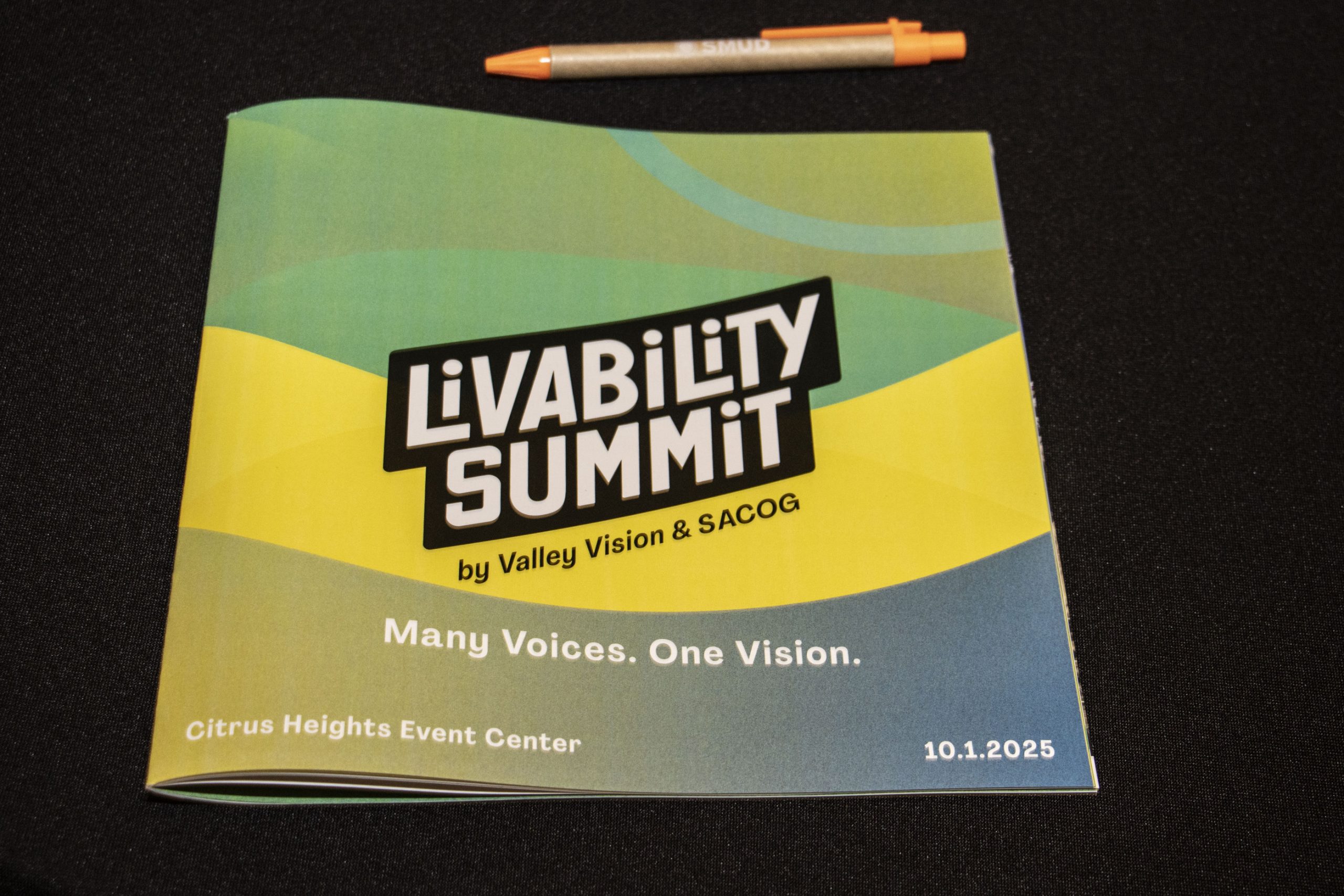
Livability Summit 2025 Post-Event Materials

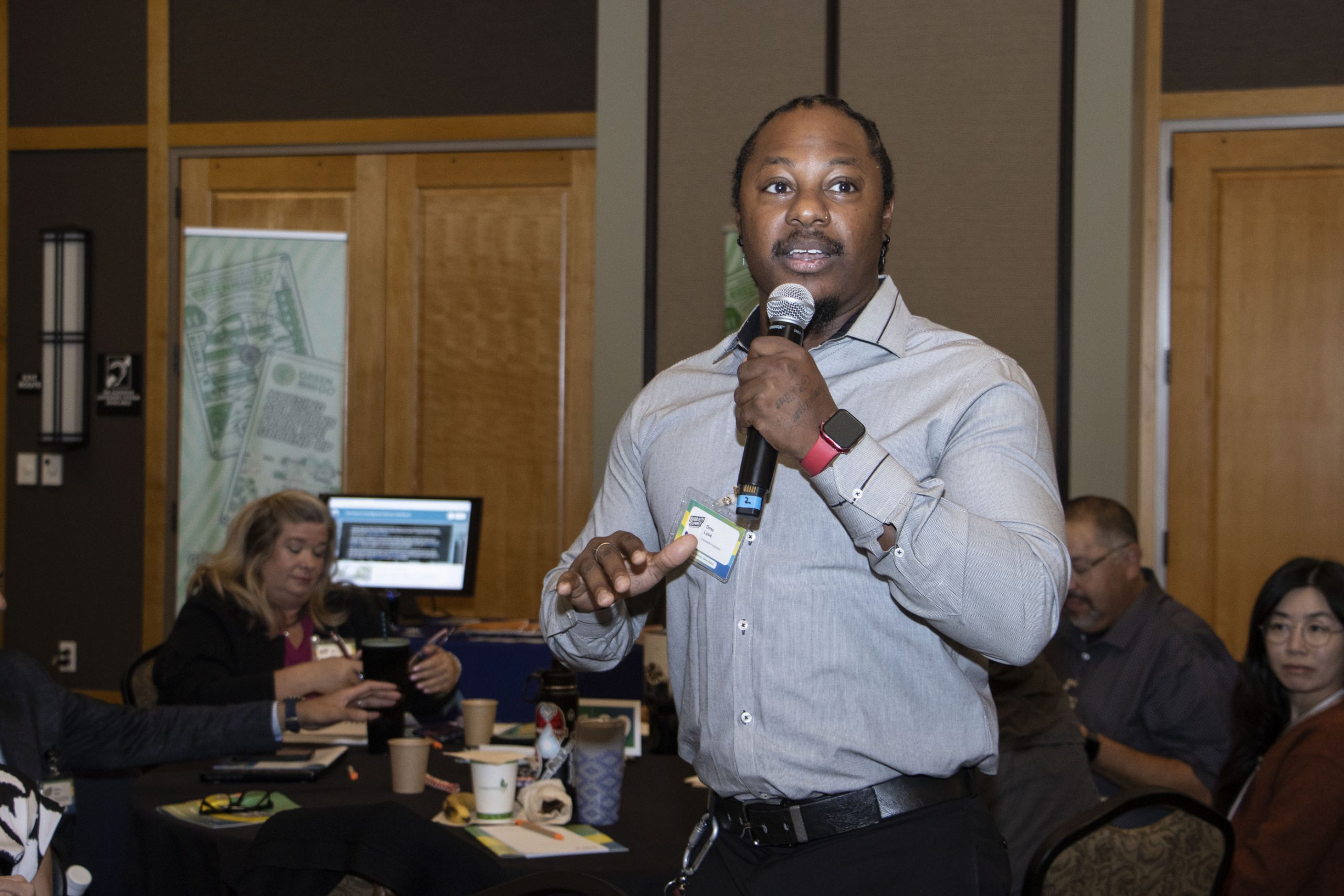
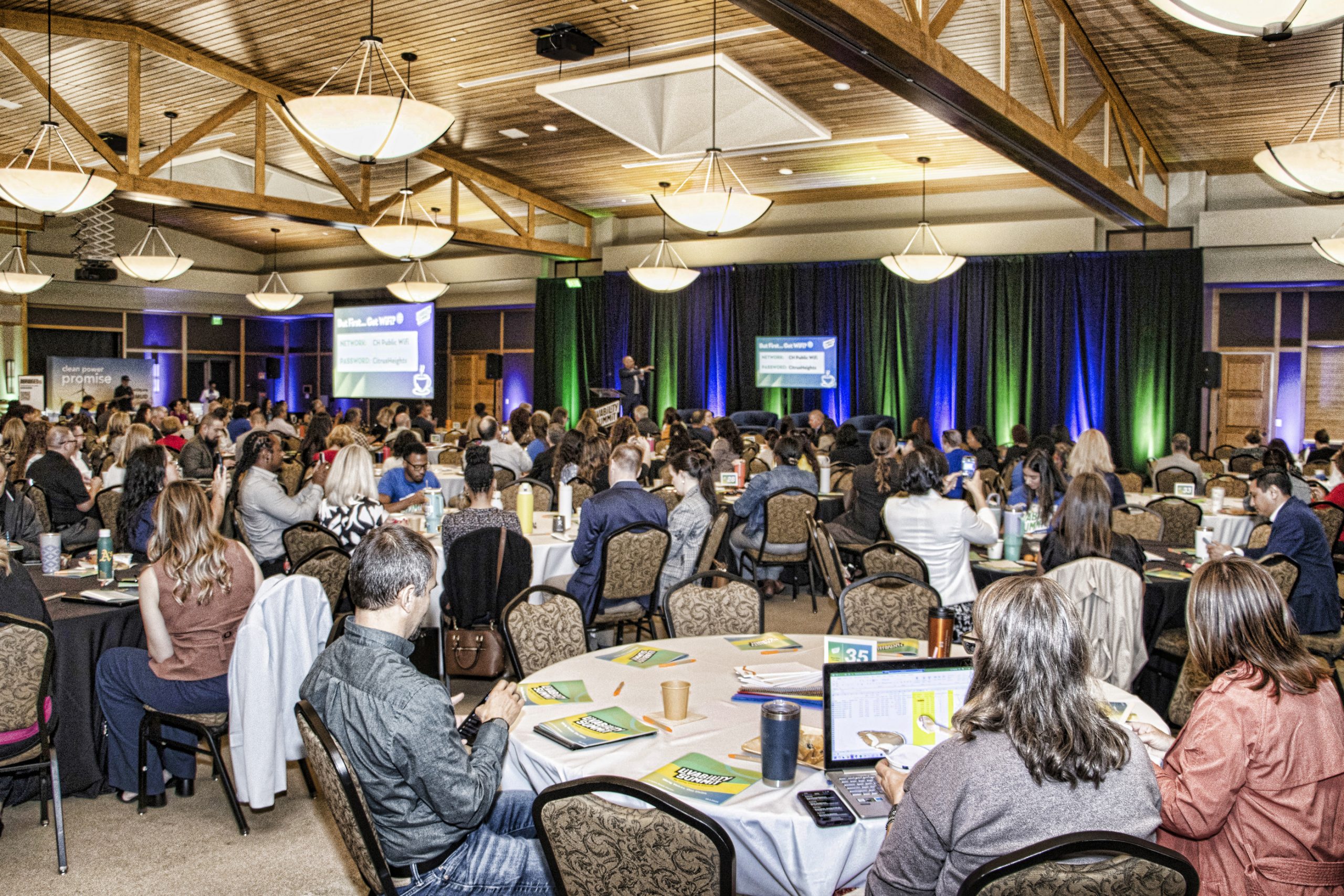
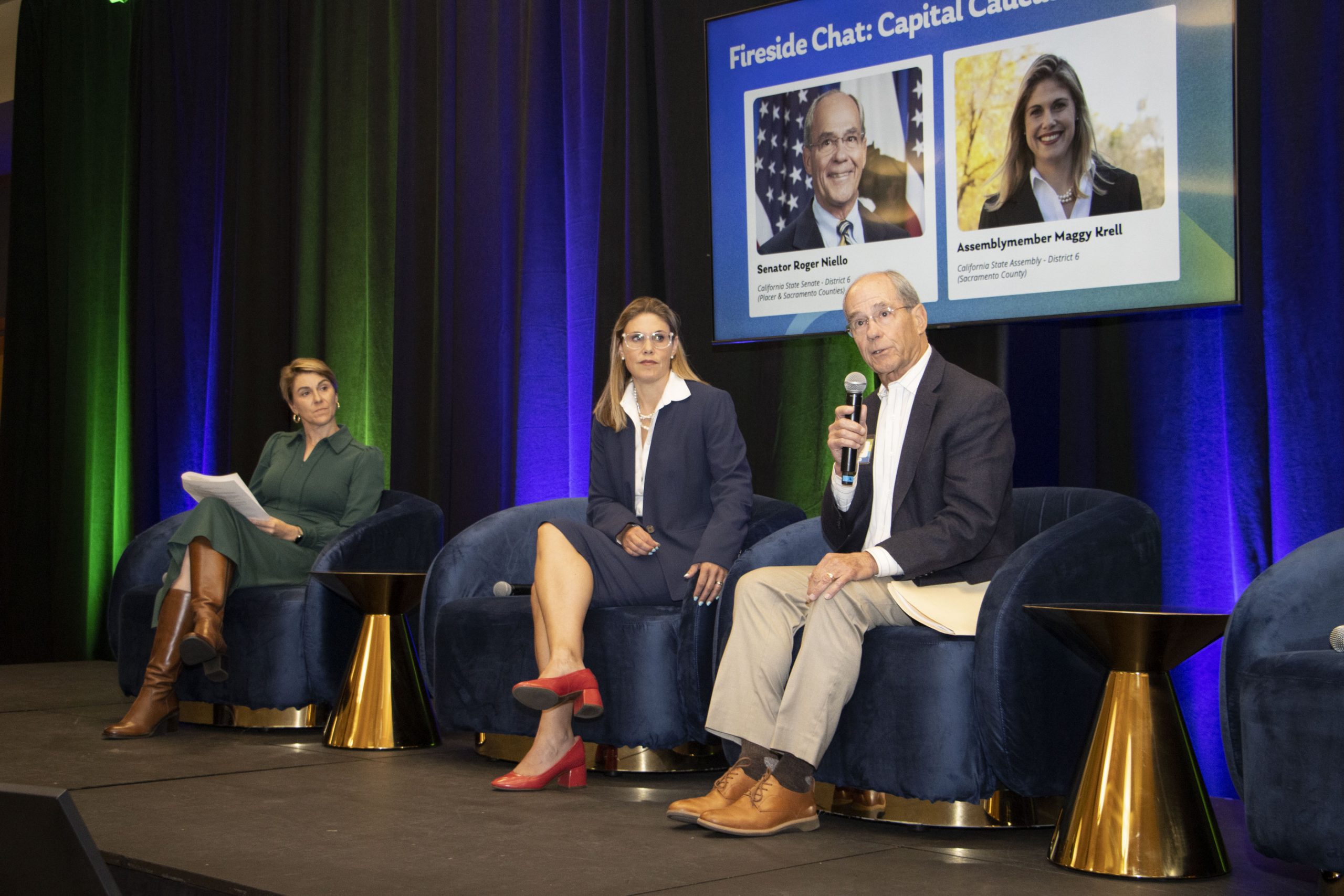
The 2025 Livability Summit, presented by Valley Vision & SACOG, took place on Wednesday, October 1st (California Clean Air Day) at the Citrus Heights Event Center. Nearly 350 leaders attended the event. See below for meeting resources, slides, photos, and more.
Links to Key Event Resources:
Presentation Slides: 2025 Livability Summit
“Impact Story” Videos by KJ2 Productions
Valley Vision and SACOG worked with KJ2 Productions to produce 4 videos highlighting 7 high-impact projects from around the region. These projects encompass awards from the We Prosper Together program as well as SACOG’s work to invest in community-led planning for more livable communities.
- Future Fire Academy & Downtown Yuba City: https://youtu.be/S7VIKBUgNZk
- Roseville & Rancho Cordova Chambers Digital Tools Initiative: https://youtu.be/zjEX0iL6UPc
- UC Davis Bioinnovation Lab & West Sac Greens Go: https://youtu.be/xlhENQcUBIs
- Marysville Chinatown & Yuba City Playzeum: https://youtu.be/P59-KwYAffA
Photos by Tia Gemmell (link to website):